Spur Gears
Straight-tooth gears for parallel shafts. Ideal for gearboxes, conveyors, and general machinery where cost and simplicity matter.
Get Instant Quote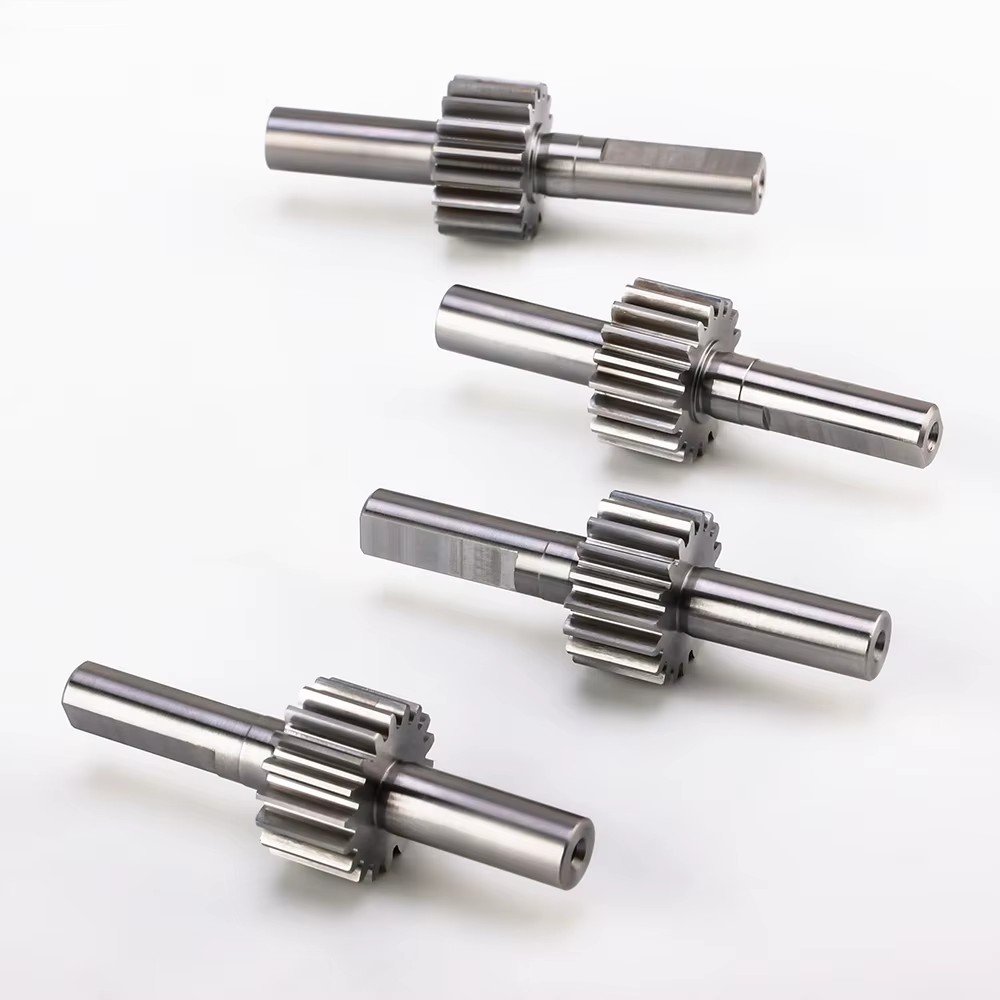
Spur gear manufacturable ranges
| Geometry & size | Materials & finishes | Tolerances & QC | Quote inputs we need |
|---|---|---|---|
| Tooth form: spur (straight), AGMA/ISO profiles per print | Carbon / alloy steel: 1045, 4140, 4340 as stock allows | Bore: typically ±0.01–0.02 mm when called; H7/g6 fits available | Module or DP + tooth count + pressure angle |
| Module / DP: common M0.5–M5 (DP 48–5); finer/coarser by quote | Stainless: 303 (machine-friendly), 304/316 for corrosion | Tooth thickness / span: held to drawing; pin measurement on request | OD, face width, hub length, bore size & fit |
| Typical OD: Ø10–200 mm (larger blanks on request) | Aluminum: 6061-T6, 7075-T6 for light stages and prototypes | Runout: checked on critical servo and indexing jobs | Material + any heat treat / coating |
| Face width: usually 3–40 mm; match blank stock for best price | Plastics: acetal (POM), nylon 6/66—quiet, low-lube meshes | Deburr standard on all tooth edges; hand-blend on plastic gears | Quantity (1 / 5 / 25 / 50+) and target date |
| Hub & bore: plain, keyed, D-bore, set screw, or integral shaft stub | Bronze / brass on request for specialty or mating worm-adjacent jobs | First-article report or CMM snapshot available with the quote package | Mating gear notes or sample if reverse-engineering |
| Tooth count: per drawing; we flag undercut risk on low-count pinions | Finishes: as-machined, deburr, black oxide, anodize, passivate, grind | Heat-treat notes: leave grind stock on bores/ODs when hardness is required | Drawing revision and any AGMA quality class callout |
What we deliver on spur gear quotes
- → Straight teeth parallel to the axis—simple mesh, efficient power transfer, and easy tooth-thickness checks on the shop floor.
- → We cut to your module or diametral pitch; 20° pressure angle is the default shop assumption unless the drawing calls out 14.5° or another standard.
- → Hubs come as drawn: plain bore, keyway, D-bore, set-screw flats, or light press fits—call out fit class if the gear mounts on a precision shaft.
- → Material picks we quote every week: 1045/4140 for load, 6061/7075 when weight matters, acetal or nylon for quiet instrumentation and low-lube duty.
- → One-off prototypes are welcome. Small batches (typically 5–50 pcs) get a shared setup quote so unit price drops without locking you into catalog MOQs.
- → When drawings are incomplete, send a sample or mating gear—we measure module, tooth count, and pressure angle before cutting stock.
- → Secondary ops on the same PO: heat treat, black oxide, anodize (aluminum), grind on critical ODs, and Helicoil installs when specified.
Spur gear FAQ for buyers
What is the minimum tooth count you will cut?
We follow your drawing. Very low tooth counts may need undercut or profile shift—we’ll flag that in DFM with a recommended fix (add teeth, shift profile, or switch to a larger module) before we cut metal.
Can you match an existing gear from a sample?
Yes. Share module/DP, tooth count, pressure angle, and a sample or print. When drawings are incomplete we measure the sample in-house and confirm the reverse-engineered dims with you before production.
Are plastic spur gears OK for production?
Acetal and nylon spur gears are common for low-noise instrumentation, light automation, and food-adjacent fixtures. Tell us load, speed, and environment so we can confirm the material and face width are realistic.
Do you hob or CNC-mill the teeth?
Both, depending on size, quantity, and cutter availability. Prototypes and odd modules often run CNC; repeating batches may hob when it improves tooth finish and cycle time. We’ll note the method on the quote when it affects cost.
What should I send for a fast, accurate quote?
PDF or STEP of the gear, module/tooth count, bore/hub notes, material, quantity, and any mating gear. If you only have a photo and a caliper sketch, send that—we’ll tell you what still needs measuring.
Can you heat treat and grind after cutting?
Yes when the print calls for it. We typically leave grind stock on bores and critical ODs, cut teeth, heat treat, then finish grind. Call this out early so the quote includes the full process, not just soft machining.
DFM tips before you release the print
- •Prefer standard modules (M1, M1.5, M2…) when the design allows—special modules add cutter lead time and cost.
- •Call out which side of the hub is the mounting datum so we don’t flip keyways relative to your shaft stack.
- •If the gear sees impact loads, specify 4140 + heat treat (or case harden) rather than relying on soft 1045 alone.
- •Leave a realistic root fillet; razor-sharp roots look neat in CAD but raise tool wear and crack risk in steel.
- •For acetal gears, tell us max RPM and torque—we’ll sanity-check face width before you commit to tooling.
Inspection & QC on spur gears
- ✓Dimensional check on OD, face width, bore, and hub features against the print.
- ✓Tooth thickness or over-pin measurement when the drawing or AGMA class requires it.
- ✓Visual deburr and edge quality—especially important on plastic teeth that chip if over-aggressively cleaned.
- ✓Optional runout check relative to bore for servo and encoder-adjacent stages.
- ✓Material certs and heat-treat certs passed through when you order certified stock.
Lead time & batch sizing
Simple steel or aluminum spur prototypes often ship in about 5–10 working days after DFM approval and material is on hand. Plastic blanks and heat-treated lots add a few days. Batches of 10–50 usually reuse the same setup—ask for a break-point quote (1 / 10 / 25 / 50) so you can plan pilot builds without over-ordering.
Related gear solutions
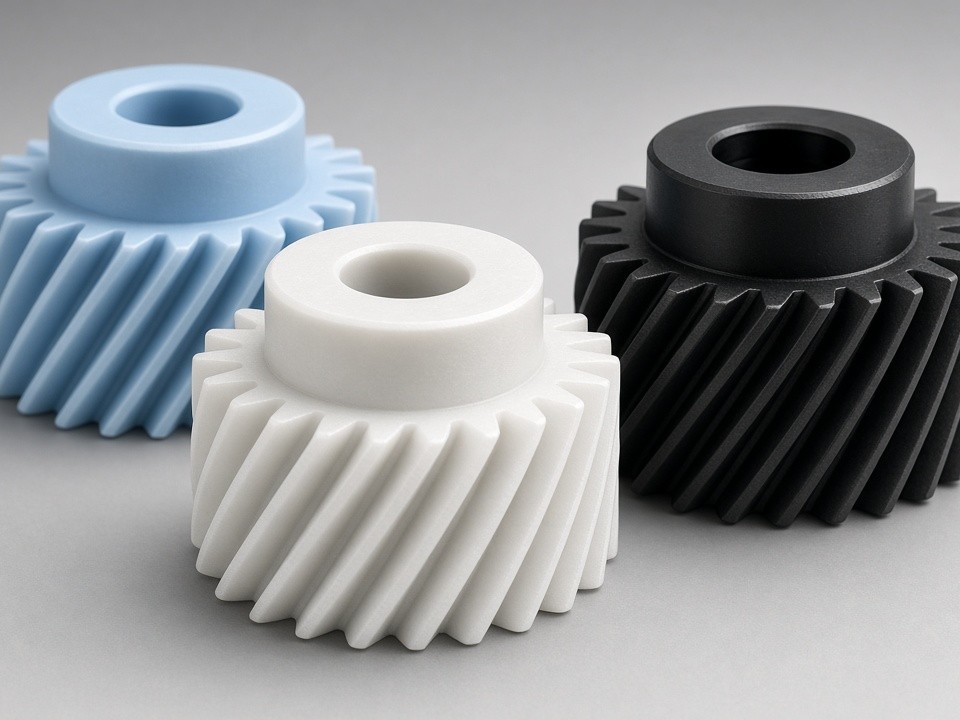
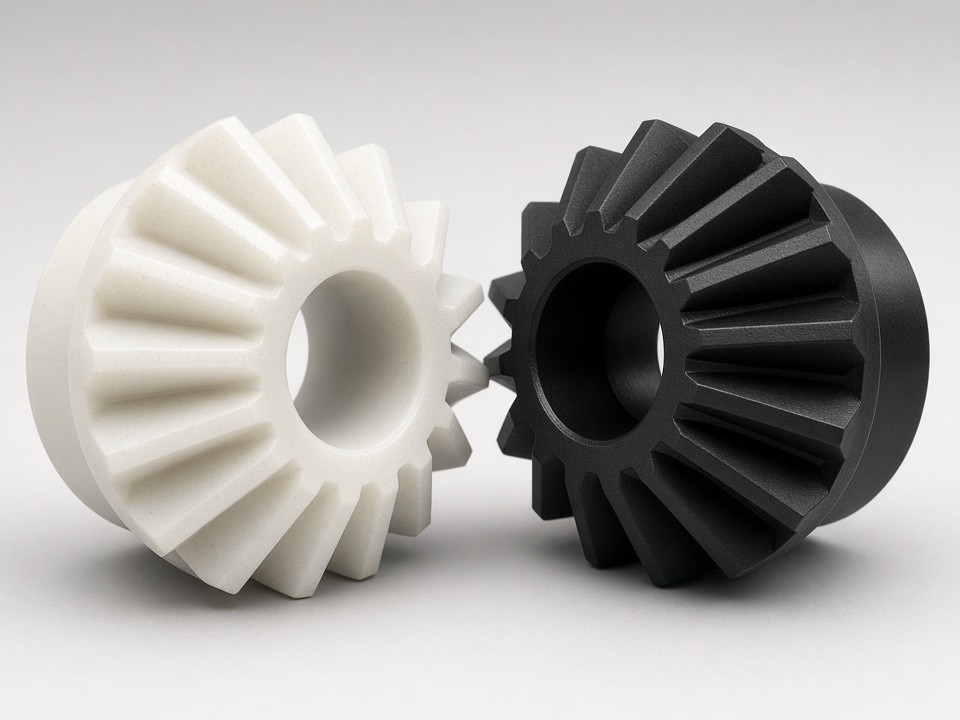
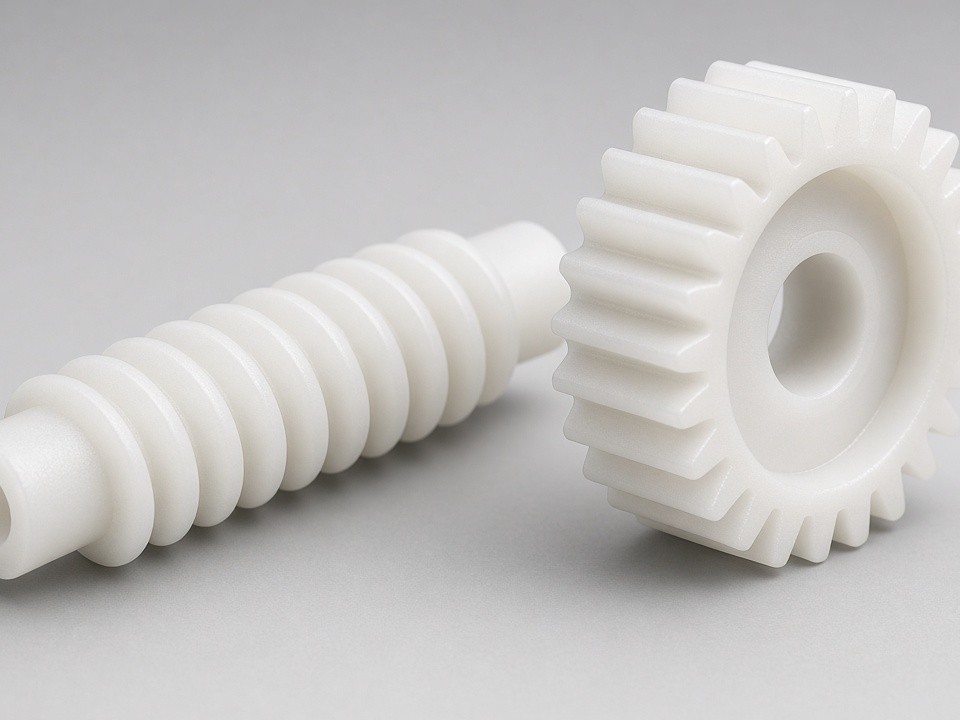
Need custom spur gears quoted this week?
Send module, tooth count, bore, material, and quantity—we’ll return a prototype or small-batch quote with DFM notes and a realistic ship window.
Request a Quote