
Bus Bar Manufacturing Services
Partsproto manufactures copper and aluminum bus bars for power distribution, switchgear, battery packs, UPS, and industrial cabinets—custom geometries with CNC machining, punching, bending, plating, and insulation coordination. From prototype interconnects to export production lots, we focus on cut-to-print quality and practical DFM for overseas buyers.

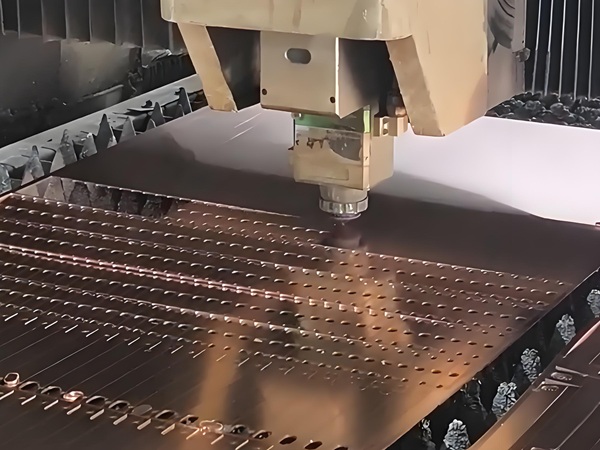
Expert Bus Bar Manufacturing
A bus bar is a shaped conductor—usually copper or aluminum—that distributes electrical current between devices with lower impedance and cleaner packaging than a harness of discrete cables. Thickness, width, and length set ampacity and temperature rise; hole patterns and bends set mechanical fit to breakers, modules, and contactors.
CNC machining and fabrication enter when catalogs cannot match your pitch, offsets, or plating mask. Punching and milling create hole charts quickly; press brakes form risers; plating baths add tin or silver for joint quality; insulation sleeves or laminated dielectrics manage clearance and inductance in denser designs.
Typical industries we support include EV and battery energy storage interconnects, low-voltage switchgear and MCC, UPS and data-center power, industrial machine cabinets, and renewable inverter DC/AC links. The common thread is export-oriented custom metalwork—not a claim that every bar is aerospace-qualified.
Partsproto is a mid/small CNC and electrical-parts shop. Soft capability language applies: we coordinate precision cutting, forming, and finishes, give honest DFM feedback, and pack for overseas freight. We do not invent machine counts, awards, or certifications you cannot verify on the quote.
Share drawings, ampacity notes, material preference, and finish requirements via /contact. We will recommend solid, flexible, insulated, or laminated construction when the application points that way—and say when a simpler flat bar is enough.
Our Bus Bar Types
Explore copper, aluminum, battery, laminated, flexible, insulated, and switchgear bus bars—each page goes deep on design, process, and ordering tips.
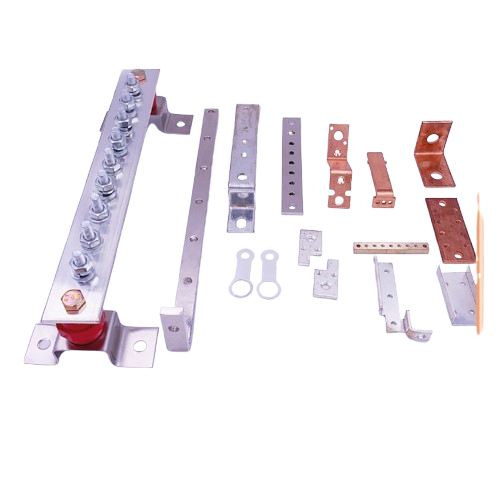
Custom Bus Bar
Custom bus bars machined and fabricated to your drawings for power distribution, battery packs, switchgear, and industrial panels. Partsproto supports copper and aluminum geometries—from punched flats to multi-bend assemblies with plating or insulation—quoted for prototypes through production export. Share CAD, ampacity notes, and finish requirements for a practical DFM review before metal is cut.
- •Drawing-driven geometry
- •Material matched to the duty
- •Finish and insulation coordination
- •Prototype-to-production path
- •Export packing discipline
- •Practical DFM feedback
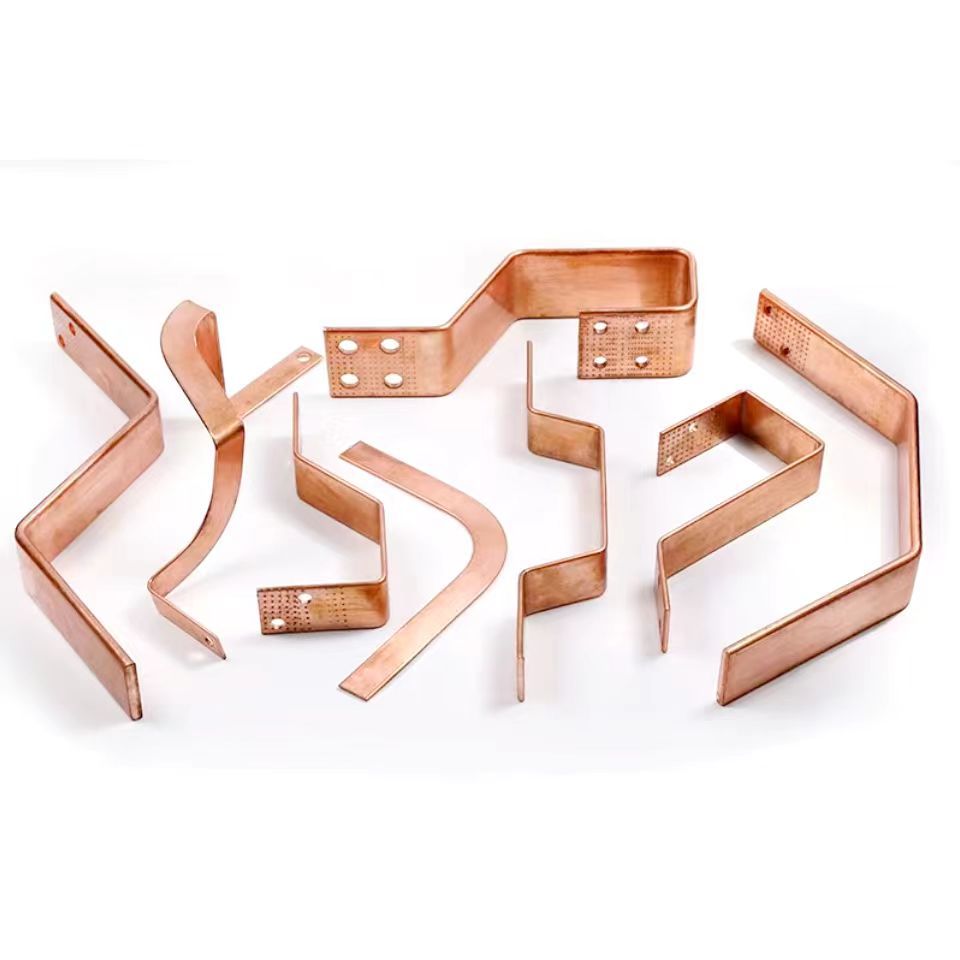
Copper Bus Bar
Copper bus bars for efficient power distribution where conductivity and compact cross-section matter. Partsproto machines and fabricates C110-class copper with tin or silver plating options for switchgear, industrial panels, UPS, and high-current interconnects. From prototypes to export production lots, we focus on cut-to-print geometry and finish quality you can assemble with confidence.
- •High conductivity in compact sections
- •Stable bolted joints
- •CNC-ready geometry
- •Tin and silver finish options
- •Formed offsets and risers
- •Export-ready lots
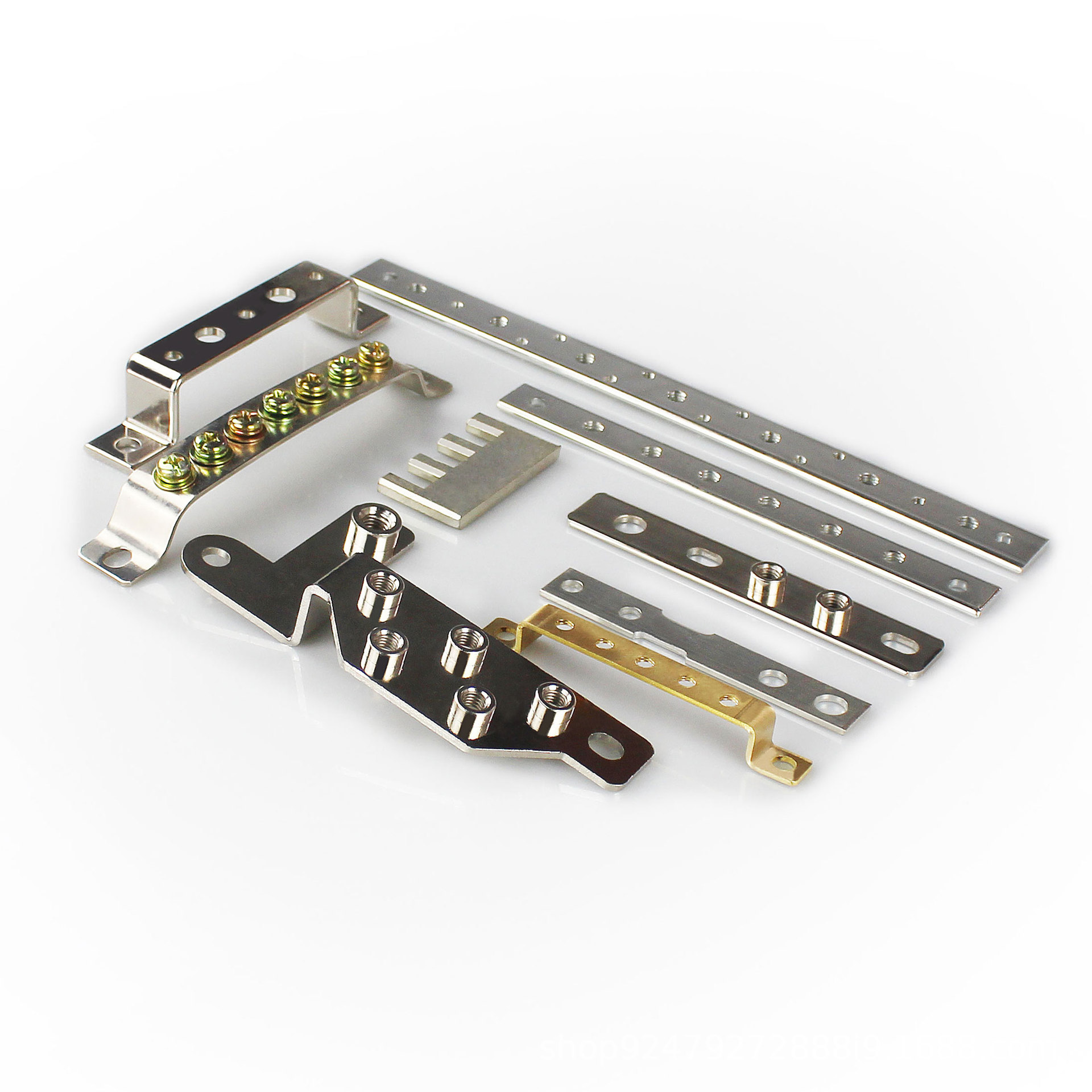
Aluminum Bus Bar
Aluminum bus bars trade some conductivity for lower weight and material cost, which suits large panels, long runs, and projects where section area can grow. Partsproto fabricates aluminum bus bars with CNC profiling, punching, bending, and common finishes for switchgear, industrial distribution, and renewable power cabinets. We help you confirm section size so ampacity and temperature rise stay in a practical range.
- •Lower weight than copper
- •Cost-effective for large sections
- •CNC and punch friendly
- •Finish options for the environment
- •Good for long distribution runs
- •Export production support
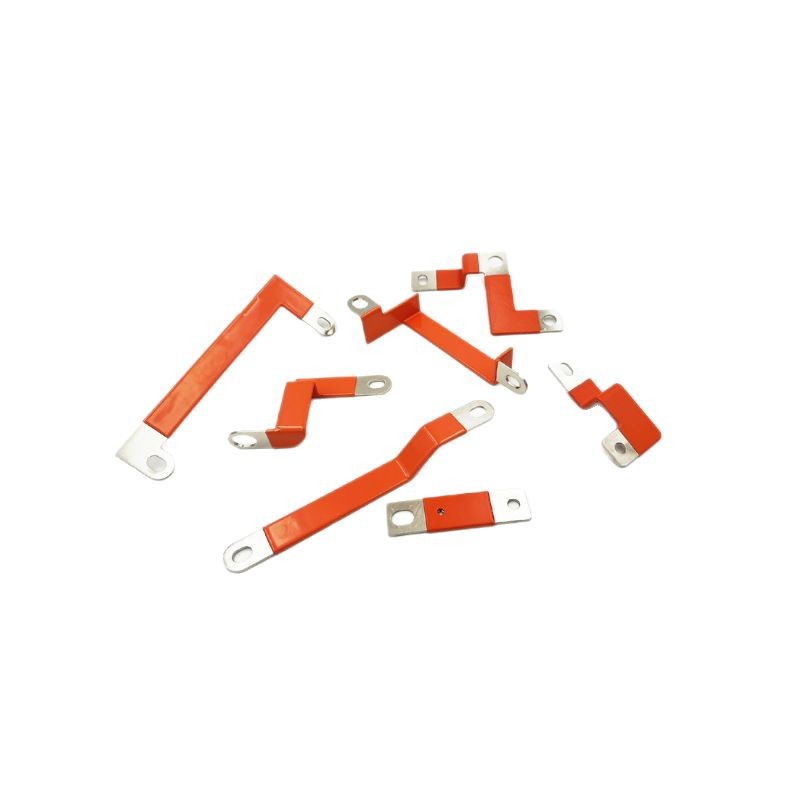
Battery Bus Bar
Battery bus bars connect cells, modules, and pack terminals where current is high and space is tight. Partsproto fabricates copper and aluminum battery interconnects with CNC hole patterns, plating for low contact resistance, and optional insulation for clearance-critical packs. We support prototype module builds through production-oriented lots for overseas EV, ESS, and UPS programs.
- •Terminal-matched hole patterns
- •Plating for low contact resistance
- •Copper or aluminum options
- •Insulation for tight clearances
- •Edge and burr control
- •Pilot-to-volume continuity
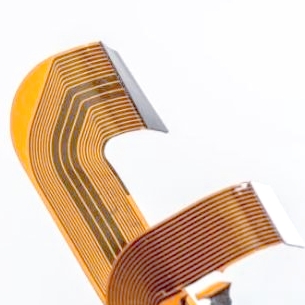
Circuit Board Stiffeners
Circuit board stiffeners reinforce PCBs against flex during connector mating, vibration, and handling. Partsproto machines aluminum, copper, and steel stiffeners to your outline and hole pattern so boards stay flat through assembly and field life. Optional thermal paths help when the stiffener also spreads heat from hot components.
- •Bending stiffness where it counts
- •Material choices for the job
- •PCB-matched hole patterns
- •Clearance pocketing
- •Finish options
- •Fast iteration
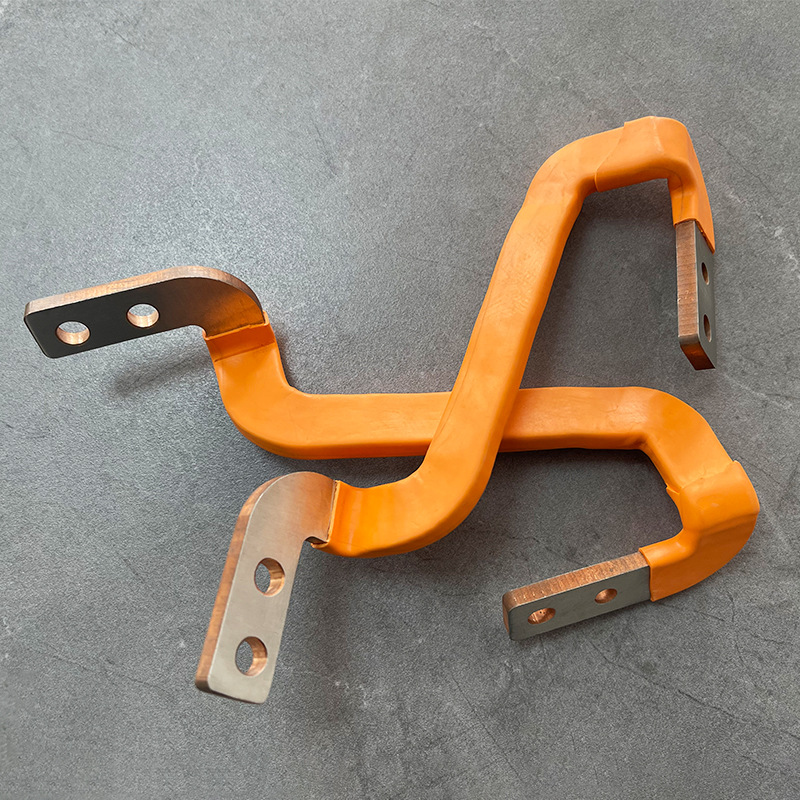
Flexible Insulated Bus Bar
Flexible insulated bus bars carry high current while absorbing vibration, misalignment, and thermal expansion that would fatigue rigid bars or oversize cables. Partsproto supplies flexible copper and aluminum solutions with insulation options such as PVC and silicone, fabricated to your length, hole pattern, and bend envelope for vehicles, machinery, and power electronics.
- •Motion and vibration compliance
- •Built-in electrical insulation
- •Lower inductance than long cables
- •Custom end patterns
- •Copper or aluminum flex options
- •Export packing that protects jackets
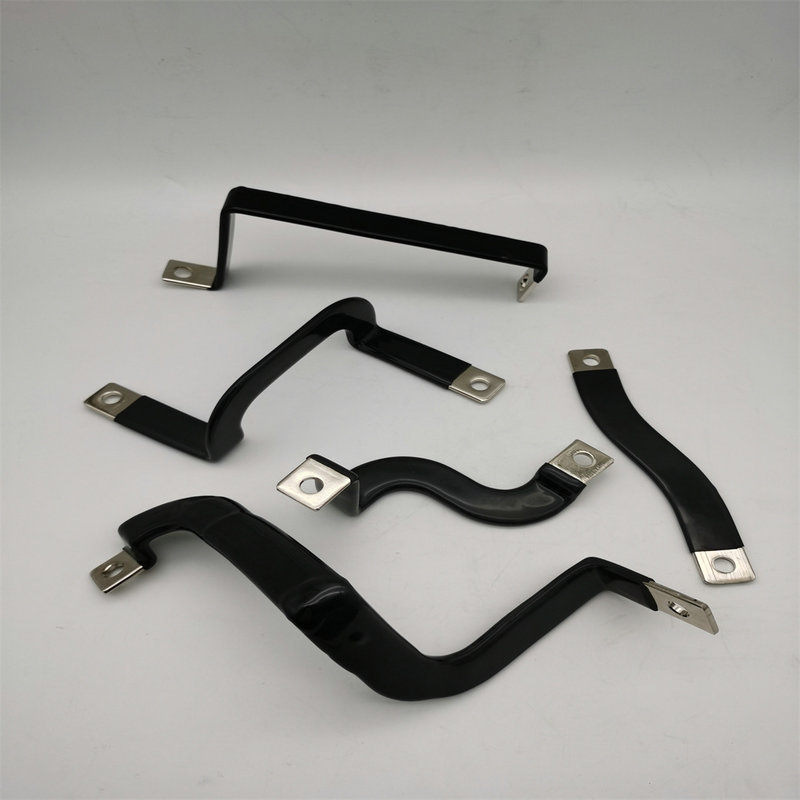
Insulated Copper Bus Bars
Insulated copper bus bars combine high-conductivity copper with jackets or coatings that improve creepage and reduce accidental contact risk inside dense panels. Partsproto machines the copper conductor, then coordinates PVC sleeving, epoxy, or other insulation systems with defined cutbacks at bolted joints—suited to switchgear, industrial distribution, and safety-conscious cabinet builds.
- •Copper conductivity retained
- •Defined joint cutbacks
- •Multiple insulation systems
- •Deburr-first process
- •Optional plating under insulation
- •Cabinet-friendly safety
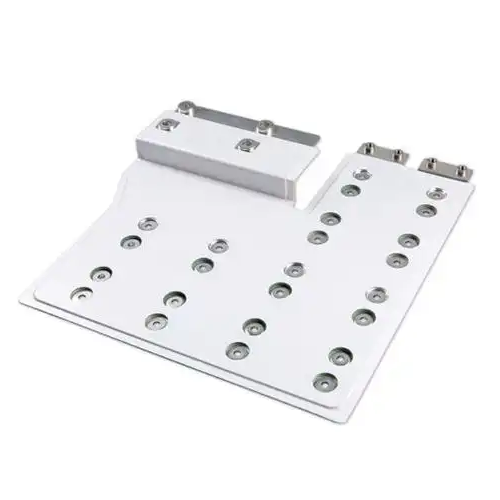
Laminated Bus Bar
Laminated bus bars stack conductive layers with dielectric films to create compact, low-inductance power distribution for inverters, drives, and high-current DC links. Partsproto fabricates multi-layer copper or aluminum laminated assemblies to your layer count, hole pattern, and insulation plan—helping power electronics designers cut loop area versus discrete cabling while staying within a practical mid-size manufacturing process.
- •Multi-layer low-inductance layout
- •Compact power density
- •Copper or aluminum layers
- •Custom layer counts
- •Integrated terminal patterns
- •Edge and dielectric protection
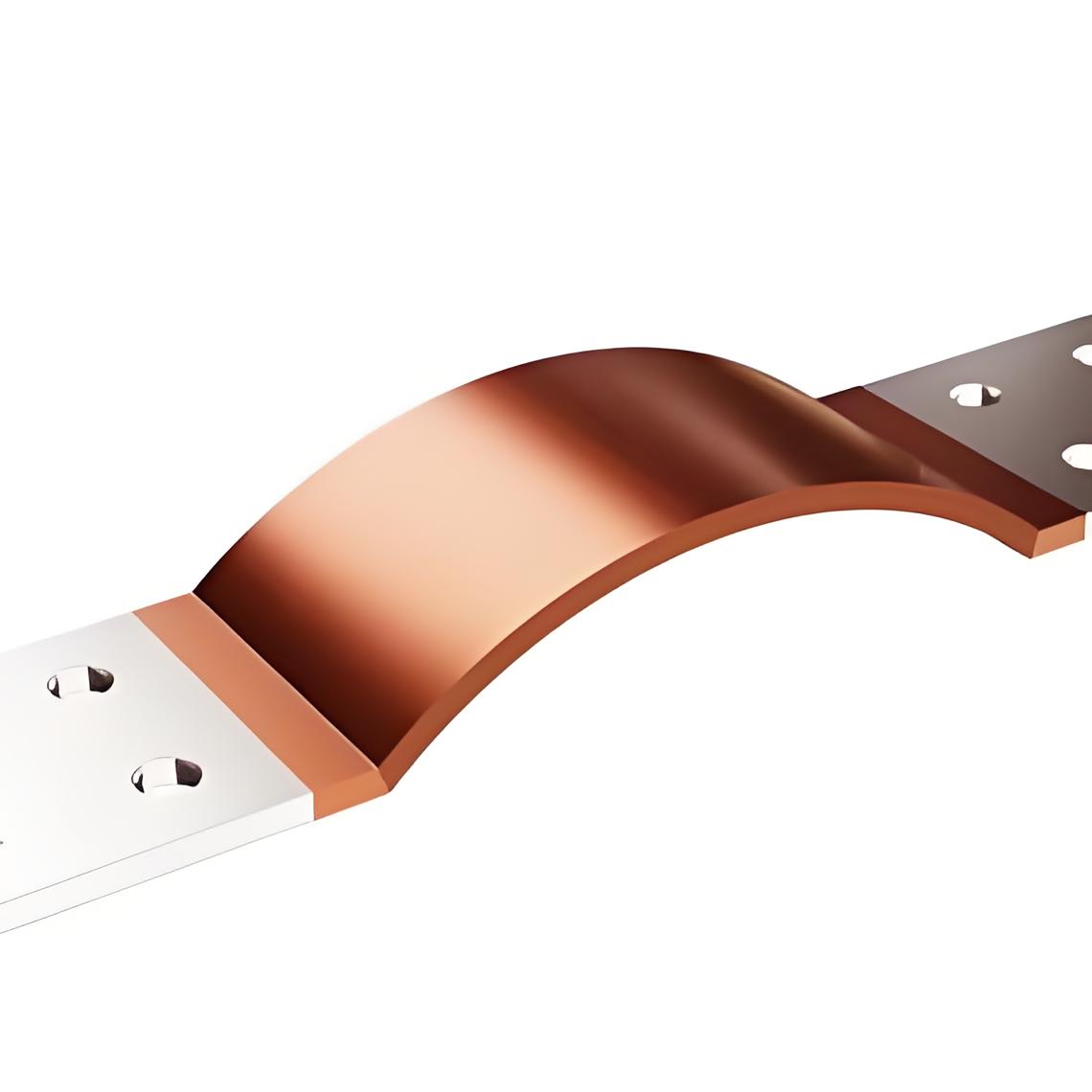
Laminated Copper Shunts
Laminated copper shunts provide a low-resistance path with a defined voltage drop for current measurement in power systems and test equipment. Partsproto fabricates copper and selected alloy shunts with laminated or solid constructions, CNC terminals, and practical accuracy bands for industrial monitoring—quoted as manufactured parts with calibration responsibility clarified on the RFQ.
- •Defined low resistance
- •Laminated or solid options
- •Stable sense points
- •Copper and alloy choices
- •Plated terminals
- •Calibration optional
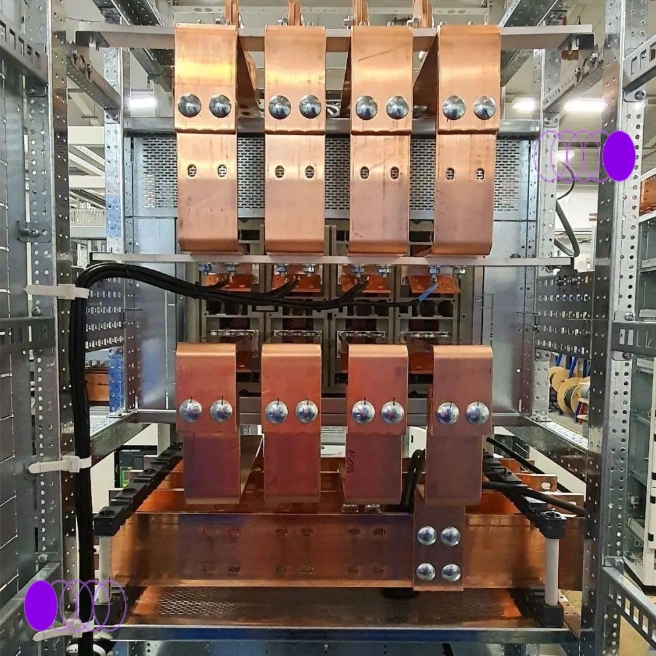
Low Voltage Bus Bars for Switchgear
Low-voltage bus bars form the backbone of switchgear and distribution panels, carrying current between breakers, switches, and outgoing circuits. Partsproto fabricates copper and aluminum LV bus bars with CNC hole patterns, bends for tiered arrangements, and tin or silver plating—supporting MCC, distribution boards, and industrial panel builders who need cut-to-print quality without oversized lead times.
- •LV panel-ready geometry
- •Copper or aluminum strategies
- •Tin and silver plating
- •Tier and riser bends
- •Optional insulation accessories
- •Export packing for panel shops
Manufacturing Process
A practical flow from DFM to export packing—adapted to solid, flexible, insulated, and laminated bus bar designs
Design & DFM
We review CAD and PDFs for bend radii, hole edge distance, plating masks, insulation cutbacks, and whether solid, flexible, or laminated construction fits the duty. Undersized sections and risky features are flagged before metal is cut.
Material selection
Copper (C110 / E-Cu style) or aluminum grades are matched to conductivity, strength, and cost. Temper is chosen so bends do not crack. Certs are arranged when requested on the RFQ.
Cutting & machining
Blanks are sawn or sheared, then CNC milled or punched for outlines, slots, and hole charts. Deburr removes sharp edges that would cut insulation or create hot spots under clamps.
Forming
Press-brake or dedicated tooling creates offsets, risers, and multi-plane geometries. Bend sequence is planned to protect hole patterns and plating later.
Plating & insulation
Tin or silver plating improves joint durability; bare zones stay masked when required. Sleeves, epoxy, or laminated dielectrics are added for clearance and inductance control per the print.
Inspection
Critical dimensions, bend angles, plating appearance, insulation cutbacks, and continuity checks are performed against the drawing. Extra CTQs you list get measured and recorded.
Packing & export
Contact faces are separated and protected; kits are labeled by part number and phase when needed. Cartons are built for overseas freight so plated and insulated surfaces arrive ready to assemble.
Quality & Inspection Focus
Concrete checks we emphasize on bus bar jobs—without inventing awards or unverifiable marks on the page
Dimensional inspection
Thickness, width, hole positions, and bend angles checked against CTQs on the print so bars fit devices and enclosures without field drilling.
Plating quality
Visual coverage, adhesion risk areas, and mask boundaries reviewed; plating thickness reports available when requested at RFQ.
Conductivity & continuity
Continuity checks catch process damage on plated and laminated parts; material grade selection supports the conductivity the design assumes.
Insulation & edge integrity
Cutback lengths, jacket condition, and burr-free edges inspected so insulation survives assembly and creepage intent stays intact.
Material traceability
Material certificates and lot traceability arranged when you ask up front—planned into the job, not bolted on after packing.
Export-ready presentation
Labeled kits, protected contact faces, and packing suited to international transit reduce receiving damage and mix-ups.
Frequently Asked Questions
Practical answers for engineers and buyers sourcing custom bus bars from Partsproto
What lead time should I expect for bus bars?
Simple tin-plated copper or aluminum flats often quote in a multi-week window depending on quantity and finish. Multi-bend, laminated, or heavily insulated parts take longer. Every quote includes a date range rather than a vague 'ASAP'.
Is there a minimum order quantity (MOQ)?
Prototypes and small lots are welcome. Plating baths and laminated stacks may carry a practical MOQ because of setup—we state it clearly on the quote instead of surprising you after kickoff.
What drawings and information do you need?
STEP or DXF plus PDF with material, finish, critical dimensions, and quantity. Ampacity or temperature-rise notes help DFM. Photos of the mating assembly help when drawings are incomplete.
Copper vs aluminum—how should I choose?
Copper when space is tight or conductivity must be maximized. Aluminum when weight or cost dominates and you can increase cross-section. Mixed-metal joints need compatible plating and joint practice.
Which plating finishes are common?
Tin plating is the everyday finish for bolted joints and oxidation control. Silver plating is chosen for lower contact resistance or higher-temperature contacts. Bare metal is available when specified.
When do I need laminated instead of solid bus bars?
Choose laminated stacks when low inductance and multi-layer packaging matter—typical in fast-switching power electronics. Solid bars are simpler and usually cheaper for straightforward distribution.
Can you add insulation or heat-shrink?
Yes. PVC, silicone-class, epoxy, and other systems are quoted from your temperature and creepage notes. Cutback lengths at joints must be defined on the drawing.
How do I get a quote?
Send files and requirements through /contact. Include ship-to country, quantity breaks, and any cert or inspection needs so packing and paperwork are planned with the job.
Do you ship internationally?
Yes—Partsproto packs and ships overseas routinely. Freight mode and Incoterms are confirmed on the quote.
What quality checks do you perform?
Typical checks include dimensional inspection on critical features, visual plating or insulation quality, and continuity where relevant. Extra reports (plating thickness, material certs) are available when requested at RFQ.
Ready to Get Started?
Send your bus bar drawings and requirements—copper or aluminum, solid or laminated—and we will respond with DFM notes and a clear export-oriented quote.