Adapter & Connecting Blocks
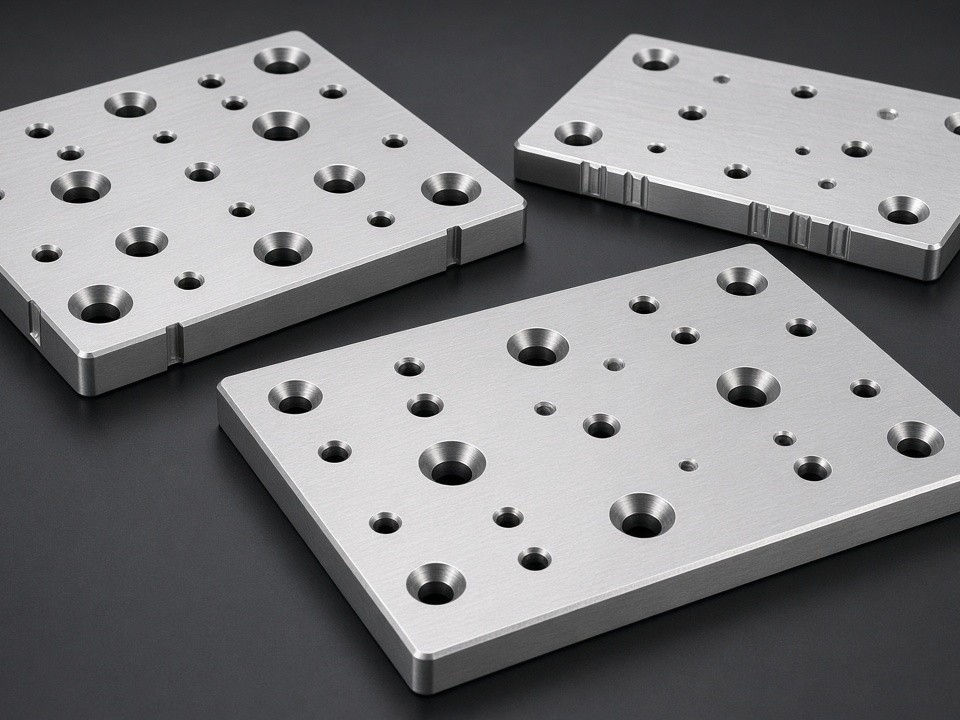
Interface blocks that bridge mismatched hole patterns, shaft axes, or frame members in automation builds.
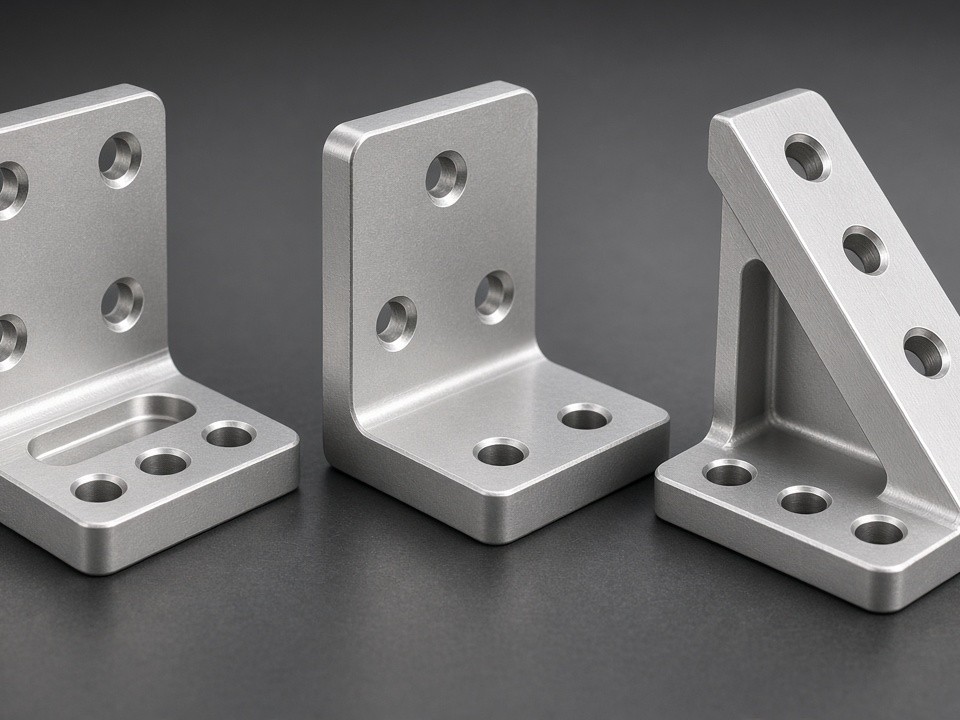
What adapter blocks solve for buyers
Translate OEM hole patterns to your frame, rail, or extrusion system
Shift, raise, or angle mounting planes as drawn—without redesigning both machines
L-blocks, gussets, and ribbed connectors that survive real cell loads
6061/7075 aluminum, mild steel, stainless—finish to match the cell
Helicoils, dowels, and clamp features installed or left ready-to-assemble
Single integration adapters through spare kits for multi-cell rollouts
Adapter workflow from interfaces to fit
Interface capture
Collect both mating patterns (CAD, OEM PDF, or measured sample). We won’t guess a bolt circle from a blurry photo alone.
Block design check
Confirm wall thickness, fastener edge distance, tool access, and whether ribs are needed for stiffness.
Mill, tap & datum
Machine both faces from a clear datum; add dowels where repeatability matters across swap-outs.
Finish & hardware
Anodize/powder as specified; install Helicoils or supply insert-ready. Mask fits if coating would stack height.
Fit verify
Optional dry-fit against customer-supplied mating parts before ship on critical integrations.
Adapter FAQ
Can you reverse-engineer a pattern?
If you send a sample or a clear measurement sketch, yes. A CAD of both sides is faster and more accurate—photos alone are rarely enough for true position.
One-off adapters OK?
Absolutely—most adapter blocks start as single pieces for integration projects. We price setup honestly so you’re not forced into a fake MOQ.
Insert hardware included?
We can install Helicoils or supply parts ready for your hardware—specify brand/size at quote so it lands on the traveler.
Can the adapter include cable pass-throughs?
Yes—slots, grommet holes, and connector windows are common add-ons. Show keep-out zones relative to fasteners.
Aluminum or steel for structural adapters?
Aluminum when weight and corrosion matter; steel when weldments, shock, or thin sections would otherwise flex. We’ll push back if the section looks light for the load you describe.
Adapter DFM tips
- •Send both interface drawings in the same coordinate mood—mismatched origins are how adapters get mirrored.
- •Give minimum clearance to cables, belts, and covers; adapters often live in tight EOAT real estate.
- •If the adapter carries a cantilevered load, say so—we may recommend thicker section or gussets before you crack a thin block.
- •Standardize fastener sizes across a cell when possible; mixed M5/M6/M8 maps slow assembly and raise inventory.
Interface verification
- ✓Both hole patterns checked to their datums—not only overall block size.
- ✓Dowel positions verified when used for swap repeatability.
- ✓Flatness on mounting faces when rails or stages bolt on.
- ✓Optional on-machine or bench dry-fit when you loan mating parts.
One-offs & spares
Most adapter blocks start as single pieces for integration projects—often quoted in a one-week-class window when stock is simple aluminum. Ordering a spare with the first unit is cheap insurance for cell downtime. Multi-cell identical adapters get a clear quantity break.
Related housing parts
Design and quote an adapter block
Share both interface drawings (or samples) and we’ll propose a machinable block with DFM notes and lead time.
Request a Quote