
Laminated Copper Shunts
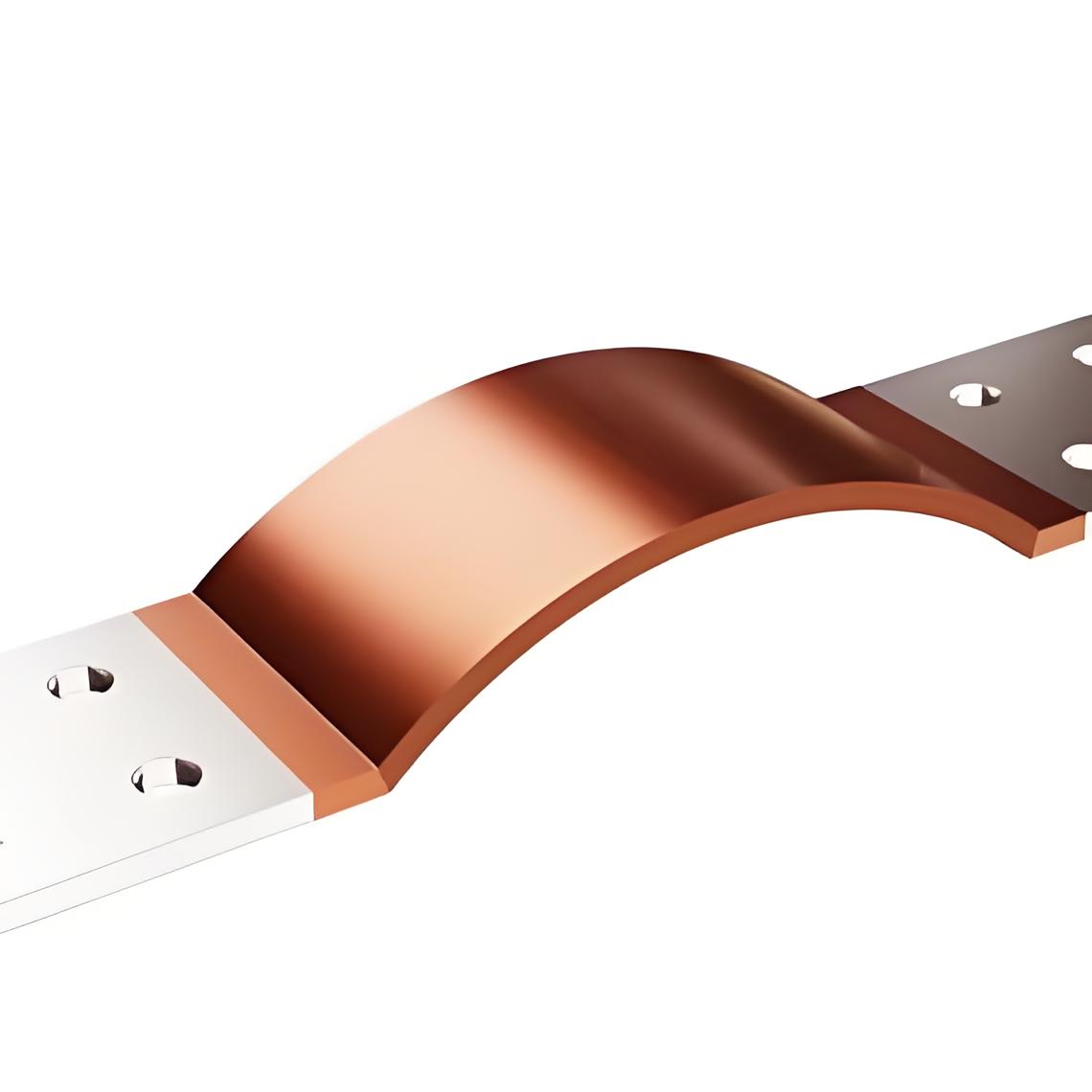
Laminated copper shunts provide a low-resistance path with a defined voltage drop for current measurement in power systems and test equipment. Partsproto fabricates copper and selected alloy shunts with laminated or solid constructions, CNC terminals, and practical accuracy bands for industrial monitoring—quoted as manufactured parts with calibration responsibility clarified on the RFQ.
What a current shunt does
A shunt is a precision low-value resistor inserted in series with a load. Measuring voltage across it yields current via Ohm’s law. Power systems use shunts for monitoring, protection inputs, and energy metering when Hall sensors are not preferred.
Laminated constructions can reduce skin-effect quirks at higher frequencies and help manage temperature rise. Manganin or similar alloys appear when temperature coefficient of resistance must stay very low; copper shunts are common when cost and conductivity dominate and accuracy bands are moderate.
Partsproto builds shunts as fabricated conductors with defined geometry. We do not claim laboratory primary-standard status unless a calibration scope is explicitly contracted.
Placement in the circuit matters: a shunt on a noisy bus may need filtering on the sense lines. We manufacture the resistor element; signal conditioning stays with your electronics team.
Manufacturing notes
Resistance is set by material resistivity, cross-section, and length between sense points. We machine or laminate to the drawing, control sense-tap locations, and plate terminals when specified.
Temperature rise under rated current affects reading; cooling and mounting are part of your system design. Share continuous current and accuracy band so we can sanity-check the geometry.
Inspection may include dimensional checks and resistance measurement at room temperature. Formal calibration certificates are available when requested and scoped.
Laminated shunts can improve high-frequency behavior versus a single thick bar of equal DC resistance, but they cost more. Choose laminated when the measurement bandwidth or thermal distribution justifies it.
Ordering tips
Specify resistance (or mV drop at rated amps), accuracy band, sense-tap positions, material, and mounting. Ambiguous sense points cause measurement error in the field.
For high currents, discuss mounting torque and whether Kelvin (four-wire) sense is required.
RFQ via /contact with electrical targets and mechanical envelope.
Mounting orientation affects convection cooling—vertical vs horizontal. If you have a preferred orientation, note it so we do not design a sense-tap layout that fights your enclosure airflow.
Using shunts well in the field
Sense wiring should be twisted and routed away from high di/dt buses when possible. A perfect shunt still reads poorly with noisy sense leads. We can place sense taps where your drawing indicates; lead practice remains yours.
Derating for ambient temperature is real. A shunt rated in free air behaves differently inside a sealed hot cabinet. Share enclosure temperature so resistance and accuracy expectations stay honest.
For energy billing or custody-transfer style needs, expect formal calibration and possibly third-party involvement. Industrial monitoring can often use manufacturing resistance checks plus your own system calibration.
Quote with resistance or mV/A target, current, accuracy band, and outline at /contact.
Partsproto manufactures custom shunts as fabricated parts for industrial sensing—not as metrology institute artifacts—unless you explicitly contract calibration scope. That honesty keeps quotes clean and expectations aligned for overseas monitoring and UPS projects.
Shunt specification checklist
State target resistance or mV drop at rated amps, accuracy band, continuous and peak current, sense-tap layout, and mounting envelope.
Say whether you need Kelvin taps, formal calibration, or only manufacturing resistance checks. Scope drives both price and lead time.
Describe cooling: free air, heatsink-mounted, or inside a hot sealed cabinet. Self-heating dominates real-world accuracy more than brochure numbers.
RFQ at /contact with those fields filled; Partsproto will propose copper vs low-TCR alloy when your stability notes require it.
Key Features
Discover the unique characteristics and advantages of Laminated Copper Shunts
Defined low resistance
Geometry set to target mΩ values for measurable voltage drop at rated current.
Laminated or solid options
Construction chosen for thermal and frequency behavior on your application.
Stable sense points
CNC-located taps so measurement wiring stays consistent.
Copper and alloy choices
Copper for many industrial shunts; low-TCR alloys when stability is critical.
Plated terminals
Tin or other finishes for reliable bolted joints into bus systems.
Calibration optional
Room-temperature checks standard; formal cal when scoped on the RFQ.
Technical Specifications
Detailed specifications for Laminated Copper Shunts
Materials
Dimensions
Resistance: 0.1 mΩ to 100 mΩ (typical custom range)
Current: Up to high-current designs (quoted per geometry)
Accuracy: Application-dependent bands (e.g. ±0.1% to ±1% when scoped)
Finish Options
Applications
Explore the various applications where Laminated Copper Shunts excels
Power monitoring
Cabinet and feeder current measurement for energy and load studies.
UPS and battery systems
Charge/discharge current sensing on DC buses.
Industrial drives
DC link or output monitoring where shunts are preferred.
Test and burn-in equipment
Custom shunts for racks and validation stands.
Renewable inverters
DC current measurement in solar and storage converters.
Process power supplies
Plating, welding, and furnace supplies needing robust sensing.
Advantages
- •Enables simple voltage-based current measurement
- •Custom resistance and mechanical fit
- •Laminated options for demanding thermal/frequency cases
- •Integrates into bus bar style assemblies
- •Optional calibration paperwork
- •Suitable for industrial environments
Limitations
- •Self-heating affects accuracy without good cooling
- •High-accuracy bands cost more and need cal process
- •Not a drop-in for every Hall-sensor design
- •Sense wiring practice is customer-critical
Frequently Asked Questions
Find answers to common questions about Laminated Copper Shunts
What accuracy can you hold?
Bands from roughly ±0.1% to ±1% appear in industrial practice when process and calibration are scoped. Tell us the band you need; tighter is not free.
Copper or manganin?
Copper is common and economical. Low-TCR alloys like manganin are chosen when temperature stability of resistance is critical.
Do you include calibration certificates?
Available when requested on the RFQ. Standard jobs include manufacturing checks; formal cal is a defined add-on.
How do Kelvin connections work on your shunts?
When the drawing specifies four-wire sense taps, we machine separate force and sense points. Without Kelvin callouts, measurement includes joint error.
What current levels are possible?
Geometry-driven—from small instrument shunts to high-current laminated designs. Share continuous and peak current.
Lead time?
Depends on lamination, plating, and calibration scope. Quoted per job.
How to order?
Send resistance target, current, accuracy, and outline via /contact. Always separate force and sense paths when accuracy bands are tight; two-wire measurement across bolted joints folds joint resistance into the reading.
Ready to Get Started?
Contact us today to discuss your Laminated Copper Shunts requirements and get a customized solution for your application.