Copper Bus Bar
Copper bus bars for efficient power distribution where conductivity and compact cross-section matter. Partsproto machines and fabricates C110-class copper with tin or silver plating options for switchgear, industrial panels, UPS, and high-current interconnects. From prototypes to export production lots, we focus on cut-to-print geometry and finish quality you can assemble with confidence.
Why copper bus bars
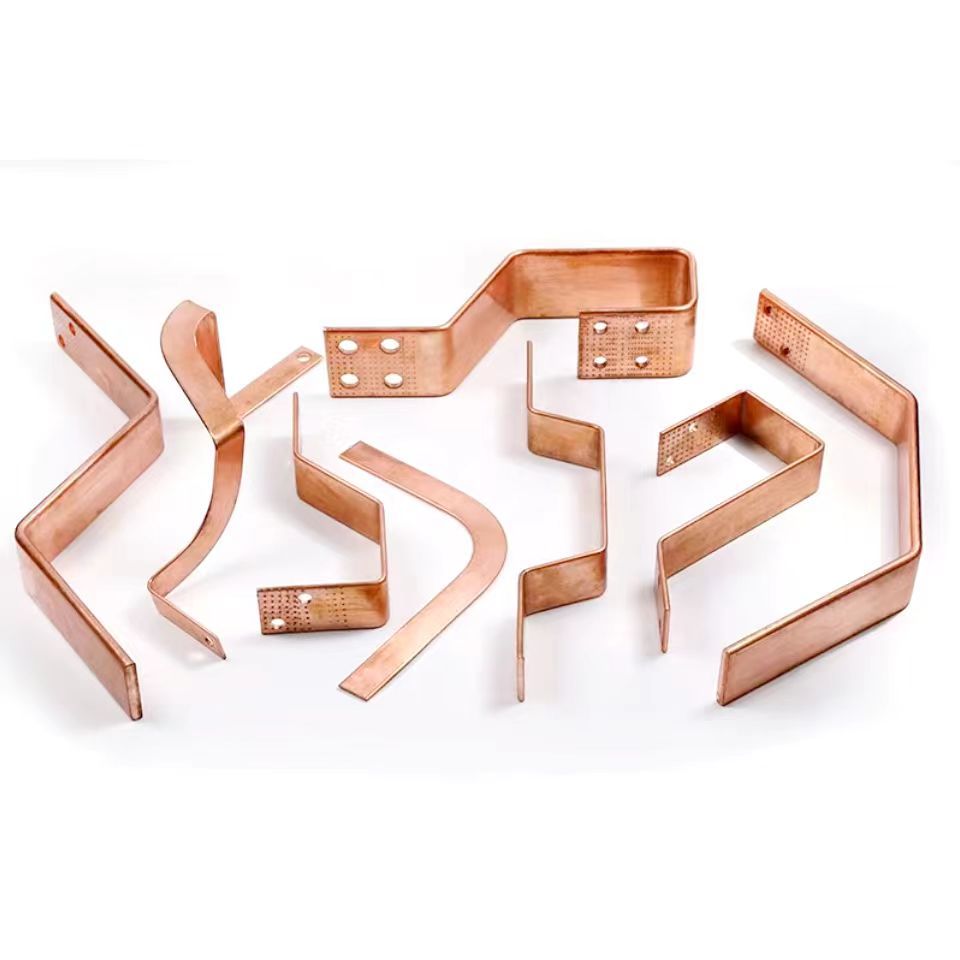
Electrolytic copper—commonly C110 / E-Cu style—offers high electrical conductivity, so a given ampacity needs less cross-section than aluminum. That keeps enclosures smaller and reduces voltage drop on short, high-current runs.
Copper also machines and forms cleanly: holes, slots, and bends hold tolerance with straightforward CNC and press operations. Tin plating is the everyday finish for oxidation control; silver plating is chosen when contact resistance and higher-temperature joints matter more.
Partsproto supplies copper bus bars as a practical CNC and fabrication service for overseas buyers—not as a commodity mill. Cut-to-print geometry, plating coordination, and export packing are the core of the offer.
In humid or marine-adjacent cabinets, bare copper tarnishes quickly; tin plating is usually the lowest-friction way to keep joints assemblable after months of storage. Silver is reserved for contact faces that see heat or must stay very low resistance.
How we make copper bus bars
Stock is selected for thickness and temper suited to your bends and current density. Blanks are sawn or sheared, then CNC milled or punched for profiles and hole patterns. Edges are deburred so plating and insulation seat cleanly.
Forming follows when the design needs offsets or risers. After forming we plate (tin or silver) or leave bare where contact faces must stay uncoated until assembly. Insulation sleeves or coatings are added when specified.
Inspection typically covers thickness, critical hole positions, bend angles, and visual plating quality. Continuity checks verify no process damage on plated parts. You define any extra CTQs on the print.
When bars ship as phase kits, we label L1/L2/L3/N/PE clearly and bag hardware separately if you supply a BOM. That reduces panel-line mix-ups for overseas customers assembling without the original designer on site.
Sizing and ordering tips
Start from continuous current, ambient temperature, and allowed temperature rise. Enclosure airflow and nearby heat sources matter as much as raw ampacity tables. If you already prefer a thickness and width, share that so we do not oversize.
Specify plating type and whether hole walls and edges must be plated. Call out masked areas for welding or bolted joints. For aluminum mating parts, plan compatible plating and joint practice to limit galvanic corrosion.
Upload drawings at /contact with quantity breaks if you expect a pilot then a production lot—we can price both on one RFQ.
Short-circuit withstand and support spacing are system design topics—we fabricate the bar you specify. If you share peak fault current and support span, we can flag obviously undersized sections as a DFM note, not as a certified short-circuit rating.
Copper bus bars in real cabinets
Inside a real LV cabinet, copper bars share space with wiring ducts, mounting rails, and airflow paths. A bar that is electrically fine can still be wrong if it blocks a fan or forces a cable to bend inside its minimum radius. Share envelope constraints when you have them.
Bolted joints deserve as much attention as the bar cross-section. Belleville washers, correct torque, and clean plating beat oversized copper that is poorly clamped. We can machine for specific washer stacks when the drawing shows them.
Storage before assembly matters. Tin-plated bars tolerate warehouse time better than bare copper. If bars will sit for months before panel build, say so—we may recommend plating even if the original sketch showed bare metal.
For quotes, include continuous current, preferred thickness if known, plating, and bend views. Start at /contact.
Key Features
Discover the unique characteristics and advantages of Copper Bus Bar
High conductivity in compact sections
Copper carries more current per unit area than aluminum, which helps when panel space is limited.
Stable bolted joints
With proper plating and torque, copper joints hold low contact resistance over service life.
CNC-ready geometry
Complex hole patterns, slots, and milled profiles without waiting on hard tooling for every revision.
Tin and silver finish options
Tin for general oxidation control; silver when contact performance at higher temperature is the priority.
Formed offsets and risers
Press-brake bends create level changes between terminals without extra flexible links.
Export-ready lots
Pilot and production quantities packed for international shipping with clear labeling.
Technical Specifications
Detailed specifications for Copper Bus Bar
Materials
Dimensions
Thickness: 1 mm to 25 mm (typical)
Width: 20 mm to 600 mm (typical)
Finish Options
Applications
Explore the various applications where Copper Bus Bar excels
Low-voltage switchgear
Main and distribution bars inside LV panels and MCC sections.
UPS and data-center power
Short high-current links between breakers, batteries, and inverter stages.
Industrial drives and welders
Cabinet buswork where continuous current and vibration coexist.
Battery and ESS interconnects
Module and pack links when copper’s compact section offsets weight.
Renewable power cabinets
DC/AC bus links in inverter and combiner assemblies.
Test and lab power
Custom rails for benches and burn-in racks needing predictable drop.
Advantages
- •Highest everyday conductivity among common bus metals
- •Smaller cross-section for the same ampacity vs aluminum
- •Excellent machinability for holes and profiles
- •Wide plating ecosystem (tin, silver)
- •Proven in switchgear and industrial panels
- •Easy to inspect and rework bolted joints
Limitations
- •Higher material cost than aluminum
- •Heavier for the same ampacity
- •Bare copper oxidizes—plan plating or cleaning
- •Scrap value requires secure packing and logistics
Frequently Asked Questions
Find answers to common questions about Copper Bus Bar
Which copper grade do you use?
Most electrical bus bars use high-conductivity copper such as C110 / E-Cu style stock. If your print calls a specific grade or temper, we source to match or propose an equivalent.
Tin plate or silver plate?
Tin is the common cost-effective finish for bolted joints and oxidation control. Silver is chosen for lower contact resistance and higher-temperature contact faces—specify which faces need it.
How do I size thickness and width?
Use continuous current, temperature rise, and available space. Share ampacity and ambient notes with the drawing and we will confirm whether the section looks reasonable before cutting.
Can you bend thick copper?
Yes within press and material limits. Thick bars need larger bend radii; we flag impossible bends on DFM review.
Do you supply bare copper?
Yes when the print requires it. Expect to clean contact faces before final assembly, and consider plating for long storage or humid climates.
What inspection is included?
Dimensional checks on critical features and visual plating inspection are typical. Add plating thickness or continuity reports on the RFQ if required.
Lead time for copper bus bars?
Simple cut-and-punch tin-plated parts are usually faster than multi-bend silver-plated assemblies. Exact dates appear on the quote.
Ready to Get Started?
Contact us today to discuss your Copper Bus Bar requirements and get a customized solution for your application.