Insulated Copper Bus Bars
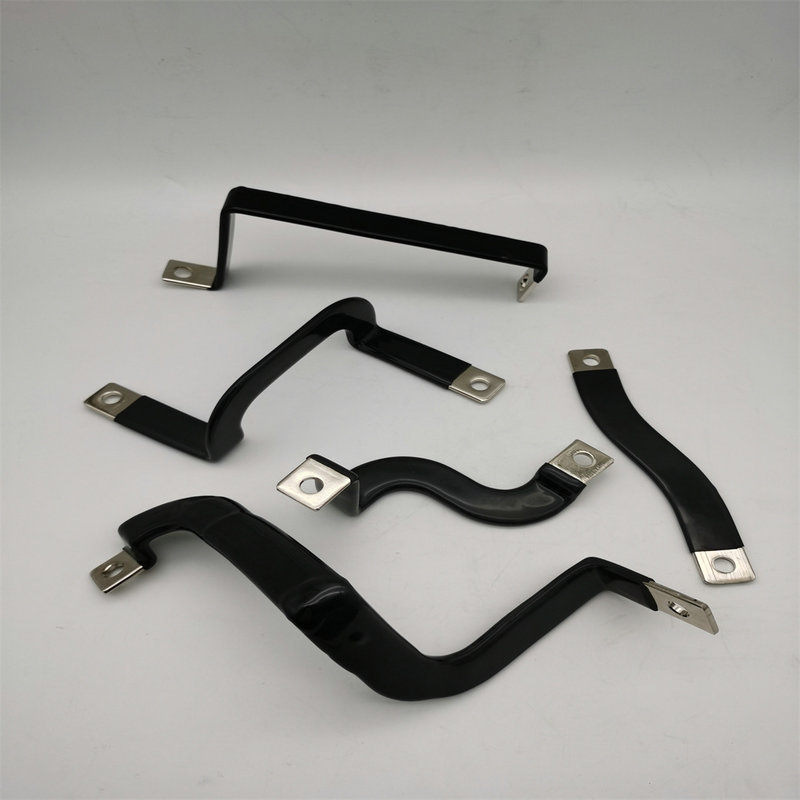
Insulated copper bus bars combine high-conductivity copper with jackets or coatings that improve creepage and reduce accidental contact risk inside dense panels. Partsproto machines the copper conductor, then coordinates PVC sleeving, epoxy, or other insulation systems with defined cutbacks at bolted joints—suited to switchgear, industrial distribution, and safety-conscious cabinet builds.
Why add insulation to copper bus bars
Bare copper is excellent electrically but leaves creepage and accidental-contact risk when bars run close inside cabinets. Insulation lets designers shrink clearances (within applicable rules) and protect assemblers during maintenance.
Common approaches include heat-shrink or PVC sleeves, epoxy powder coats, and molded covers. Each has temperature and abrasion limits—silicone-rich systems tolerate more heat; epoxy can offer tough coverage on complex shapes.
Insulation never replaces proper design rules. Voltage class, pollution degree, and enclosure type still govern spacing. We fabricate to your insulation specification rather than inventing a certification claim.
Color-coded jackets help assemblers identify phases in dense gear. If you need standard phase colors, put them on the BOM; otherwise we default to the insulation system’s natural or quoted color.
How we build insulated copper bars
Copper is cut, machined, and formed first. Deburr is critical so insulation is not punctured. Plating—if required—usually happens before full insulation, with mask or cutback plans for joint areas.
Insulation is applied with controlled cutback length at holes and ends so washers and nuts land on clean metal. We verify cutback dimensions against your drawing and inspect for tears, thin spots, and adhesion issues on coated parts.
Packing protects jackets from crush. Export cartons separate parts so insulated edges do not saw against each other in transit.
Heat-shrink systems need correct recovered diameter and wall; too thin and abrasion wins, too thick and bars will not nest in the designed supports. Share support clamp IDs when known.
Ordering tips
Specify insulation material, color if needed, temperature class, and exact bare lengths at each joint. Ambiguous cutbacks cause assembly delays.
If the bar must pass a particular dielectric or hipót requirement, state the test level so we can discuss whether our process scope includes it or whether you will test after assembly.
RFQ at /contact with copper drawing plus insulation notes and quantity.
For epoxy-coated bars, call out any threaded holes or studs that must remain free of coating. Reworking plugged threads after coat is slow and scrap-prone.
Insulation as a system choice
Insulation decisions interact with supports, shrouds, and phase barriers already in the enclosure. A thick jacket may not fit a clamp designed for bare bar. Bring clamp or support part numbers when you can.
Maintenance culture matters: if technicians routinely work near energized gear under lockout policies that still leave residual risk, jackets add a layer of forgiveness. They do not replace lockout or design rules.
For outdoor or wash-down adjacent cabinets, discuss UV, moisture, and chemical exposure. Not every PVC system likes every environment; we will propose alternatives when your notes demand them.
Send copper geometry plus insulation material, cutbacks, and temperature class via /contact.
Partsproto’s insulated copper offering is for panel and equipment builders who want jackets coordinated with CNC copper geometry—not off-the-shelf sleeved rod. Defined cutbacks and honest temperature discussion are how those jobs stay assemblable after freight.
Insulated copper checklist
Provide copper geometry, insulation material, cutback lengths at each joint, and temperature class. Color and marking requirements belong on the same drawing.
State whether plating sits under the insulation on contact zones. Sequence mistakes here cause either unplated joints or insulation over plate where it cannot adhere well.
Call out dielectric or hipot expectations if you want them in scope; otherwise assume you will test at equipment level after assembly.
Upload the package at /contact for a Partsproto quote that includes insulation lead time—not just copper machining time.
Key Features
Discover the unique characteristics and advantages of Insulated Copper Bus Bars
Copper conductivity retained
Insulation adds safety and clearance help without giving up copper’s electrical performance.
Defined joint cutbacks
Bare lengths controlled so bolted stacks seat on clean metal every time.
Multiple insulation systems
PVC, epoxy, and custom options matched to temperature and abrasion needs.
Deburr-first process
Sharp edges are removed before jackets or coatings to prevent puncture.
Optional plating under insulation
Tin or silver on contact zones when the print requires both plating and jackets.
Cabinet-friendly safety
Reduces incidental contact risk during assembly and service.
Technical Specifications
Detailed specifications for Insulated Copper Bus Bars
Materials
Dimensions
Thickness: 1 mm to 20 mm (typical)
Width: 20 mm to 400 mm (typical)
Finish Options
Applications
Explore the various applications where Insulated Copper Bus Bars excels
Dense LV switchgear
Bars routed close together where insulation supports creepage strategy.
Industrial power cabinets
Safer maintenance access around exposed bus runs.
UPS and power electronics
Insulated links near grounded chassis and heatsinks.
Machine tool electrics
Cabinet buswork with frequent service interaction.
Retrofit upgrades
Adding jackets to improve safety on existing footprints.
Export panel builds
Insulated bars shipped ready for overseas panel shops.
Advantages
- •Improves creepage and incidental-contact safety
- •Keeps copper performance
- •Cutbacks controlled for assembly
- •Multiple insulation material choices
- •Compatible with plated joints
- •Practical for prototypes and production
Limitations
- •Higher cost and lead time than bare bars
- •Insulation temperature limits must be respected
- •Damaged jackets need repair or replacement
- •Does not replace system-level safety design
Frequently Asked Questions
Find answers to common questions about Insulated Copper Bus Bars
Which insulation should I choose?
PVC is common for general industrial duty; epoxy suits many coated geometries; higher-temperature environments may need silicone-class systems. Share ambient and hotspot temperatures.
Can you plate and insulate the same bar?
Yes when the process sequence is planned—plating on contact zones, insulation elsewhere, with clear mask or cutback drawings.
Do insulated bars meet a specific UL or IEC mark?
We manufacture to your drawing and insulation specification. System-level certifications remain with the equipment manufacturer; we do not invent marks on the part.
How do you control cutback length?
Cutbacks are measured against the print. Call out tolerances on bare length if assembly is sensitive.
What if insulation is damaged in the field?
Replace or professionally repair per your maintenance practice. We can supply spares from the same drawing revision.
Lead time?
Longer than bare copper because insulation is a secondary process. Quoted per design and lot size.
How to order?
Send copper geometry plus insulation callouts via /contact. Store insulated bars away from sharp rack edges and UV when jackets are not UV-rated; warehouse damage is a common pre-install failure mode.
Ready to Get Started?
Contact us today to discuss your Insulated Copper Bus Bars requirements and get a customized solution for your application.