
Battery Bus Bar
Battery bus bars connect cells, modules, and pack terminals where current is high and space is tight. Partsproto fabricates copper and aluminum battery interconnects with CNC hole patterns, plating for low contact resistance, and optional insulation for clearance-critical packs. We support prototype module builds through production-oriented lots for overseas EV, ESS, and UPS programs.
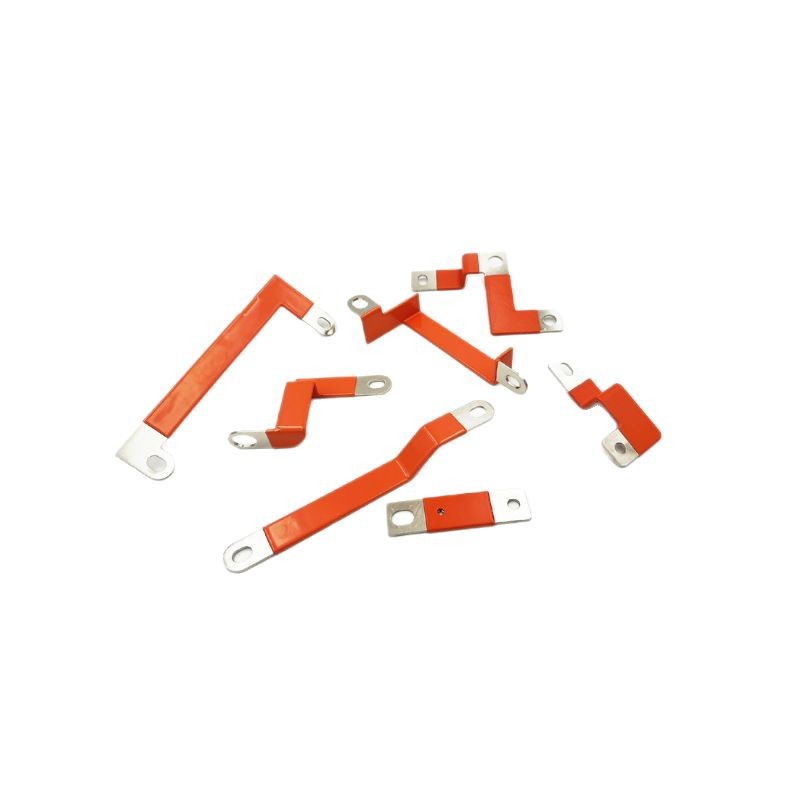
What battery bus bars do
In battery systems, bus bars replace bulky cable runs between cells or modules, cutting inductance and improving packaging density. Hole pitch, plating, and flatness at the terminal interface dominate reliability—more than raw bar length.
Copper is common when modules need compact ampacity; aluminum appears when pack weight targets are aggressive and section can grow. Flexible laminated links are used where vibration or thermal expansion needs compliance; solid bars suit fixed module spacing.
Partsproto approaches battery bus bars as precision fabricated conductors: draw-to-print machining, controlled plating, and careful packing so contact faces arrive undamaged.
Pack designers also care about creepage between opposite polarities and about sharp edges near pouch cells or bus films. We treat edge radius and insulation keep-outs as first-class requirements when you put them on the print.
How we make battery interconnects
We review module drawings for hole diameters, counterbores, plating mask, and insulation keep-out zones. Edge distance and burr control matter because sharp edges can damage cell insulation or pouch seals nearby.
Process steps typically include blanking or CNC profiling, hole machining, deburr, plating (often tin or silver), optional sleeving or powder insulation, then dimensional checks against the terminal pattern. Continuity checks catch process damage early.
For pilot packs, we recommend freezing hole pitch and plating callouts before volume. Changing pitch mid-program forces scrap; changing plating is easier if mask drawings stay clear.
Laser-cut or CNC profiles are chosen based on thickness and tolerance. Very thin copper foils for cell-level links may need laminated or multi-leaf approaches—escalate those designs to our flexible or laminated pages when motion or inductance dominates.
Design and ordering tips
Share cell or module terminal drawings, torque specs, and whether the bar must flex. Note maximum temperature and whether the pack sees automotive vibration profiles.
Call out which faces need plating thickness control and which edges need radius or chamfer for insulation clearance. If you use laser-welded nickel or aluminum wire bonds nearby, tell us so we protect those zones in packing.
Quote via /contact with prototype and production quantities. Include ship-to country and any material cert needs for automotive or ESS audits.
If automotive PPAP-style paperwork is required, say so at RFQ. We can discuss what documentation is realistic for a mid-size export shop versus what belongs with your tier-1 process.
Battery interconnect quality that survives assembly
Battery lines are unforgiving of burrs and plating flakes. A sharp edge that would be cosmetic on a switchgear bar can nick insulation film next to a cell. That is why battery jobs get extra attention on edge break and cleanliness before pack-out.
Traceability requests are more common on battery programs. If you need material heat numbers tied to pack serials, request that at RFQ so labeling and cert packets are prepared with the lot—not rebuilt after shipping.
Thermal cycling between charge and discharge expands modules. Solid bars between modules that move relative to each other may need a flexible segment. We will suggest that pattern when your motion notes imply it.
Prototype module builds are a normal entry point. Quote pilot and production quantities together at /contact to see price breaks early.
Whether you are building a 48 V industrial pack or a higher-voltage module string, the mechanical pitch discipline is the same: freeze terminal drawings, then fabricate. Partsproto supports that sequence with pilot lots and clear revision control for overseas pack assemblers.
Key Features
Discover the unique characteristics and advantages of Battery Bus Bar
Terminal-matched hole patterns
CNC accuracy on pitch and diameter so bars seat flat on module terminals without forcing.
Plating for low contact resistance
Tin or silver finishes chosen for the terminal metal and temperature range.
Copper or aluminum options
Copper for compact ampacity; aluminum when pack mass targets dominate.
Insulation for tight clearances
Sleeves, films, or coatings where module spacing leaves little creepage margin.
Edge and burr control
Deburred edges reduce risk to nearby cell insulation and assembly gloves.
Pilot-to-volume continuity
Same process family from first articles to repeat export lots.
Technical Specifications
Detailed specifications for Battery Bus Bar
Materials
Dimensions
Thickness: 1 mm to 15 mm (typical)
Width: 15 mm to 300 mm (typical)
Finish Options
Applications
Explore the various applications where Battery Bus Bar excels
EV and hybrid modules
Cell and module interconnects where pitch and plating must stay consistent.
Stationary ESS packs
Rack and container battery systems with high continuous current.
UPS battery banks
String and cabinet links for uninterruptible power systems.
Renewable storage
Solar and wind storage cabinets with dense DC buswork.
Prototype pack builds
Fast-turn bars while module spacing is still iterating.
Service replacements
Form-fit bars for field maintenance of installed packs.
Advantages
- •Optimized for terminal pitch and contact quality
- •Supports copper and aluminum strategies
- •Plating and insulation options for pack safety
- •Suitable for prototypes and production
- •Edge quality focused on assembly safety
- •Export packing protects plated faces
Limitations
- •Design must respect cell/module vendor rules
- •Flexible vs solid choice affects vibration life
- •Insulation adds lead time and cost
- •Electrical and thermal validation stay with the pack designer
Frequently Asked Questions
Find answers to common questions about Battery Bus Bar
Copper or aluminum for battery bus bars?
Copper when space is tight and contact resistance must stay low. Aluminum when weight is critical and you can enlarge the section. Mixed systems need careful joint design.
What plating is typical on battery bars?
Tin is common for many bolted terminals; silver appears when lower contact resistance or higher temperature is required. Match plating to the terminal finish when possible.
Can you make flexible battery links?
Yes—see also our flexible and laminated bus bar options. Share motion and vibration requirements so we pick solid vs laminated construction.
What drawings do you need?
Module terminal layout, bar outline, hole chart, material, finish, and insulation notes. STEP files speed DFM.
Do you support low-volume EV prototypes?
Yes. Prototype lots are normal; we call out any plating MOQ up front.
How do you protect bars in shipping?
Contact faces are separated and wrapped; insulation is protected from crush. Export cartons are labeled by part number.
Can bars include welded studs or nuts?
Often yes when specified—hardware addition is quoted as a secondary op. Define stud type and projection on the print. For welded cell connections versus bolted module links, process needs differ sharply; tell us which attach method you use so edge and plating recommendations stay relevant.
Ready to Get Started?
Contact us today to discuss your Battery Bus Bar requirements and get a customized solution for your application.