FDM / FFF 3D Printing
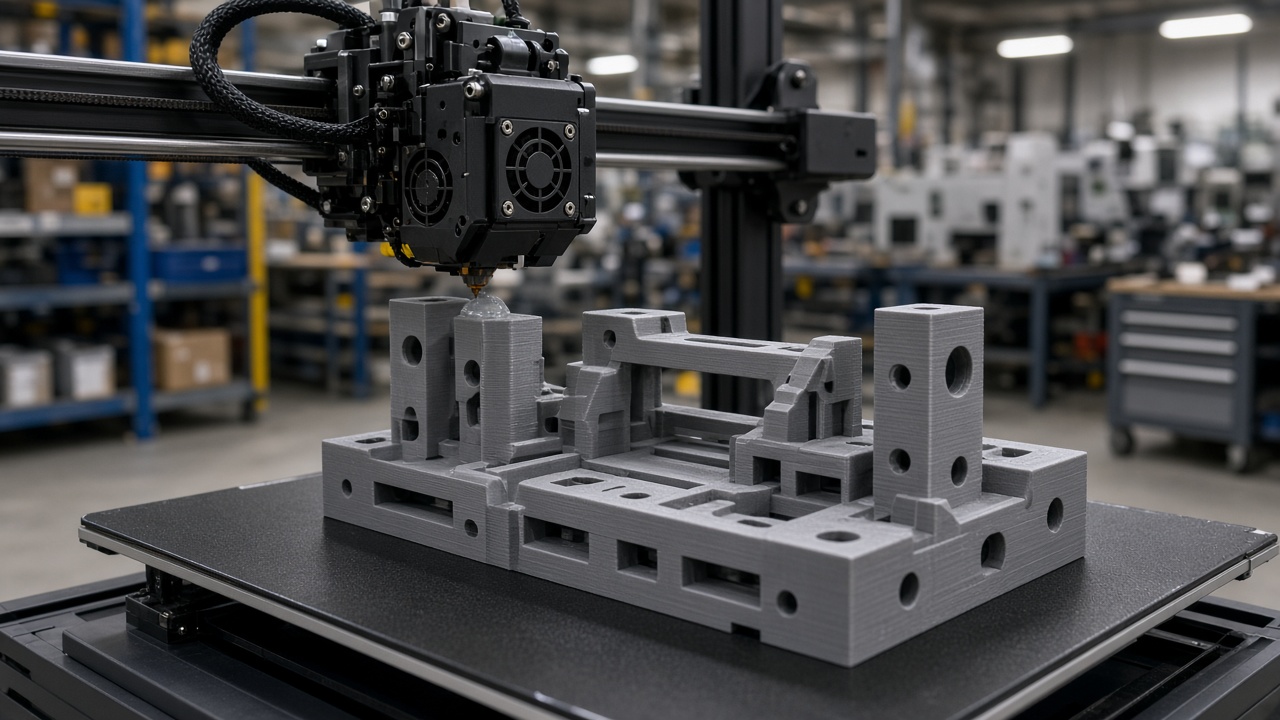
We provide fused filament fabrication for economical prototypes, shop fixtures, and large housings. ABS, PETG, nylon, and engineering filaments—practical strength at a friendly price point.
Core Advantages
Practical reasons buyers choose FDM for prototypes and short-run parts.
Cost Effective
Lowest cost AM for many geometries
Budget-friendly builds
- •Large parts economical
- •Fast quotes
- •Fixture friendly
- •Iterate cheaply
Material Choice
Wide filament ecosystem
Engineering plastics available
- •ABS / ASA
- •PETG
- •Nylon / CF
- •PC / high-temp (select)
Large Builds
Bigger envelopes than many resin beds
Covers and ducts
- •Split & bond options
- •Sparse infill
- •Ribbed designs
- •Jigs
Shop Tools
Ideal for manufacturing aids
Jigs & fixtures
- •Soft jaws
- •Assembly fixtures
- •Go/no-go aids
- •Protective nests
Fast Turn
Simple geometry prints quickly
Same-week possible
- •Draft models
- •Fit checks
- •Training aids
- •Packaging dummies
Hybrid Path
Print then machine CTQs
FDM + CNC option
- •Ream holes
- •Face datums
- •Tap threads
- •Insert installs
What we provide for FDM
Prototype Parts
Draft and functional checks where layer lines are acceptable.
ABS/ASA
General engineering and outdoor-ish ASA
PETG
Tough, easier printability
Nylon
Wear and hinge trials
Fixtures & Jigs
Custom shop aids for assembly and inspection.
Soft jaws
Protect finished CNC parts
Assembly nests
Repeatable positioning
Guards
Temporary machine guards (non-regulated)
Finishing
Support removal, sanding, and primer/paint.
Support cleanup
Sand / fill
Primer paint
Insert installation
Industries & Use Cases
We provide parts for commercial and industrial buyers. Soft capability language—no overclaimed regulated certifications unless stated on the PO.
Manufacturing Ops
In-house production aids.
- •Fixtures
- •Trays
- •Guides
- •Labels holders
Product Dev
Early prototypes before SLA/SLS cosmetics.
- •Block models
- •Fit checks
- •Ergonomics
- •Packaging
Education / Demo
Training models and demos.
- •Cutaways
- •Display models
- •Teaching aids
Industrial OEM
Covers and non-cosmetic brackets.
- •Guards
- •Cable management
- •Spacers
- •Prototypes
Materials
Common grades we process; availability confirmed on quote.
Common
- • PLA
- • PETG
- • ABS
- • ASA
Engineering
- • Nylon
- • PA-CF
- • PC (select)
- • High-temp (availability varies)
Finishes
- • As-printed
- • Sanded
- • Painted
- • Vapor smooth (ABS, select)
Quality & Inspection Notes
Practical QC aligned to RFQ callouts—not blanket aerospace claims.
Incoming checks
Material and build parameters verified against the order
In-process review
Spot checks on critical features during post-processing
Final inspection
Visual + dimensional notes per agreed CTQs
Export packing
Protective packaging for overseas freight
Documentation
Material notes and inspection records when ordered
Our Process
Submit CAD & requirements
Upload STEP/STL and tell us material, finish, and quantity
Quote & DFM notes
Process recommendation and manufacturability feedback
Build & post-process
Print/fabricate, then agreed finishing steps
Inspect
Check CTQs and cosmetics before pack
Ship
Export-ready cartons to your destination
Frequently Asked Questions
FDM vs SLA for cosmetics?
SLA usually looks smoother. FDM is better when cost, size, or fixtures matter more than layer appearance.
Are FDM parts strong?
Anisotropic—stronger in-plane than Z. Orient loads with layers; we advise on quote.
Infill options?
Yes—sparse to dense. Higher infill and walls increase strength and cost.
Can you print ULTEM / PEI?
High-temp filaments are project-based; availability and dry-handling requirements apply.
Warping?
Large ABS parts can warp; design ribs, split parts, or switch material. We flag risk on DFM.
Tolerances?
Typically looser than CNC; call CTQs and plan secondary machining for fits.
MOQ?
Usually 1 piece. Batch pricing improves with quantity.
Certifications?
No overclaimed aerospace chamber certs—commercial/industrial soft capability language.
FDM/FFF filament printing—service overview
FDM extrudes thermoplastic filament layer by layer—economical for large parts and fixtures.
Choose FDM when budget and size dominate over fine cosmetics.
Partsproto provides FDM builds with optional finishing and CNC on critical features.
- → Jigs and fixtures
- → Large prototype covers
- → Low-cost design iterations
- → Non-cosmetic industrial parts
DFM tips for FDM
- •Minimize steep overhangs without supports.
- •Add fillets instead of sharp internal corners.
- •Orient strength with expected load.
- •Design holes slightly oversize or plan reaming.
- •Split very large parts with alignment features.
Inspection & QC
- ✓Layer adhesion / warping visual check.
- ✓Key dimension spot checks.
- ✓Infill/wall settings recorded when specified.
- ✓Packing for export.
Lead time & batch sizing
Small FDM parts are often fastest AM option. Large sparse prints still take machine hours—ask for schedule on quote.
Ready to Start Your Next Project?
Send CAD, material, finish, and quantity—Partsproto returns process notes, price, and export lead-time guidance.