
SLA 3D Printing (Stereolithography)
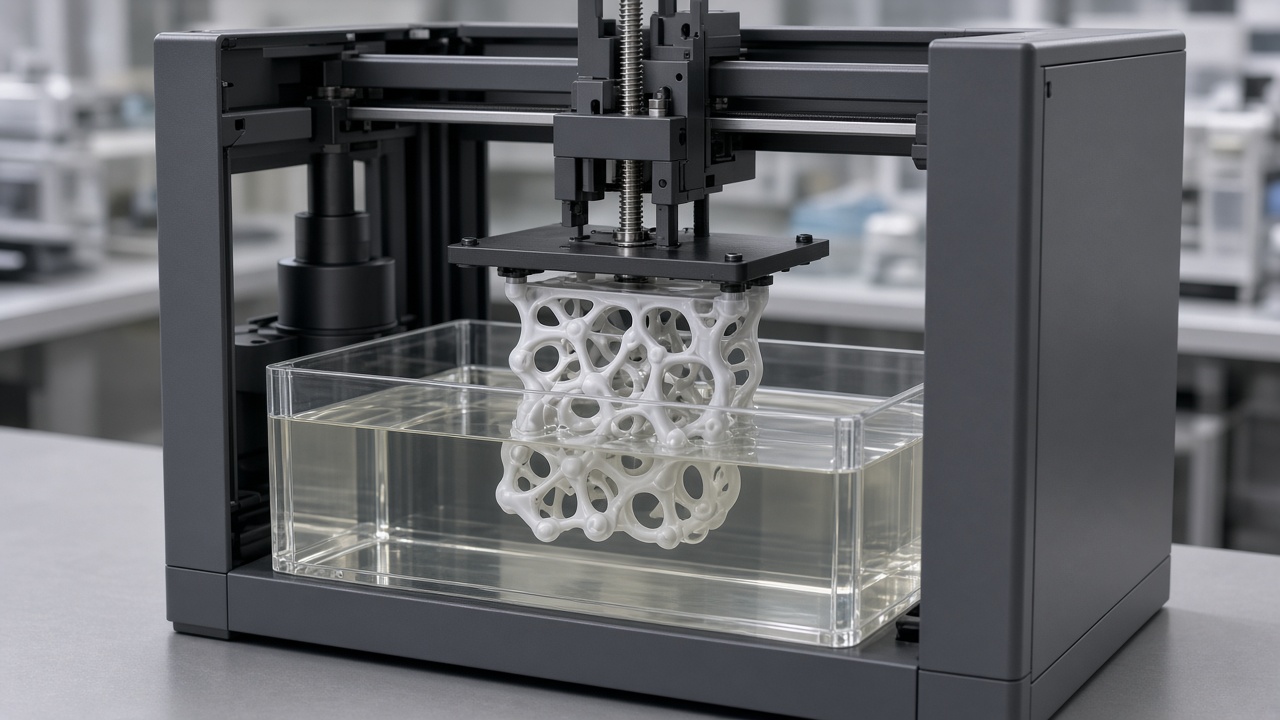
We provide SLA resin printing for high-detail prototypes, fit checks, and cosmetic models. Smooth layer resolution and a range of standard, tough, clear, and high-temp resins—quoted from China for overseas buyers.
Core Advantages
Practical reasons buyers choose SLA for prototypes and short-run parts.
Fine Detail
Small features and thin walls
High-resolution resin builds
- •Sharp edges
- •Fine text/logos
- •Smooth as-printed faces
- •Good for fit studies
Surface Quality
Lower layer visibility vs FDM
Cosmetic-ready prototypes
- •Sandable
- •Clearcoat options
- •Paint-ready
- •Clear resin available
Material Range
Standard to engineering resins
Resins matched to end use
- •Tough / durable
- •High-temp
- •Flexible grades
- •Clear / translucent
Fast Iteration
No hard tooling
Rev designs quickly
- •Same-week builds often possible
- •Design freedom
- •Bridge before molding
- •Low MOQ
Secondary Ops
Finish to your cosmetic class
Post-cure & finish support
- •Support removal
- •Sand / polish
- •Paint / dye
- •Assembly aids
Buyer Support
Clear RFQ packaging
DFM with the quote
- •Orientation advice
- •Wall thickness notes
- •Hole & boss tips
- •Export packing
What we provide for SLA
Prototype & Model Builds
Concept models, ergonomic studies, and marketing samples with smooth resin surfaces.
Fit & form
Check assemblies before CNC or mold tooling
Clear parts
Translucent/clear resins for light pipes and covers
Cosmetic class
Agree sand/paint level before build
Engineering Resin Options
Tough and high-temp resins for functional checks—confirm grade on quote.
Tough resins
Snap-fit and handling trials
High-temp
Elevated service temperature checks
Flexible
Gasket-like and soft-touch studies
Finishing & Assembly
Support removal, UV cure, and optional paint or clear coat.
Support cleanup
Bead blast / sand
Paint or clearcoat
Simple assembly
Industries & Use Cases
We provide parts for commercial and industrial buyers. Soft capability language—no overclaimed regulated certifications unless stated on the PO.
Product Design
Industrial design and mechanical validation models.
- •Enclosures
- •Handles
- •UI mockups
- •Packaging form
Electronics
Housings and connector fit studies.
- •Device shells
- •Button caps
- •Light guides
- •Bracket mockups
Medical Device Dev
Form studies and training models—not certified implant production.
- •Handles
- •Guides (proto)
- •Enclosures
- •Demo models
Consumer Goods
Cosmetic samples for reviews and photos.
- •Appearance models
- •Ergonomics
- •Color studies
- •Assembly checks
Materials
Common grades we process; availability confirmed on quote.
Standard / Tough
- • Standard gray/white
- • Tough / durable resins
- • High-detail resins
Optical / Clear
- • Clear / translucent
- • Amber / tinted (select)
Specialty
- • High-temp resins
- • Flexible / rubber-like
- • Castable (on request)
Quality & Inspection Notes
Practical QC aligned to RFQ callouts—not blanket aerospace claims.
Incoming checks
Material and build parameters verified against the order
In-process review
Spot checks on critical features during post-processing
Final inspection
Visual + dimensional notes per agreed CTQs
Export packing
Protective packaging for overseas freight
Documentation
Material notes and inspection records when ordered
Our Process
Submit CAD & requirements
Upload STEP/STL and tell us material, finish, and quantity
Quote & DFM notes
Process recommendation and manufacturability feedback
Build & post-process
Print/fabricate, then agreed finishing steps
Inspect
Check CTQs and cosmetics before pack
Ship
Export-ready cartons to your destination
Frequently Asked Questions
What is SLA best for?
Fine detail, smooth cosmetics, and clear/translucent parts. For tough nylon end-use, consider SLS or MJF instead.
Are SLA parts UV stable outdoors?
Many resins yellow or embrittle with UV. Ask for coatings or a different process if outdoor exposure is required.
What wall thickness should I design?
Often 0.8–1.0 mm minimum for reliable builds; thinner walls are case-by-case. Call thin features on the RFQ.
Can you match Pantone colors?
Paint and dye can approximate; exact Pantone match is project-based. Clear resins can be tinted in some cases.
Do you provide production SLA?
We provide short-run SLA. High volumes usually move to molding or another process after design freeze.
Isotropy and strength?
SLA is strong enough for many prototypes but can be more brittle than SLS nylon. Share load cases so we recommend correctly.
Lead time?
Simple builds often complete in a few business days after approval; finishing adds time.
Certifications?
We do not overclaim aerospace/medical device certifications. Regulated needs must be explicit on the PO.
SLA stereolithography—service overview
SLA cures liquid resin with light for fine-detail parts and smooth surfaces.
Choose SLA when cosmetics and small features matter more than nylon toughness.
Partsproto provides SLA builds from China with finishing and export packing.
- → Cosmetic prototypes
- → Clear/translucent parts
- → Fine text and thin ribs
- → Pre-mold appearance models
DFM tips for SLA
- •Avoid trapped volumes that hold uncured resin.
- •Design drain holes for hollow parts.
- •Orient cosmetic faces to minimize supports on A-sides.
- •Call snap-fit force expectations—resin choice matters.
- •Leave assembly clearances larger than CNC if no post-machining.
Inspection & QC
- ✓Visual for layer defects and incomplete cure.
- ✓Spot dims on CTQs.
- ✓Clear-part haze/finish notes when ordered.
- ✓Photos before ship on request.
Lead time & batch sizing
Prototype lots are often quick; larger batches and multi-finish steps take longer. Ask for 1 / 5 / 20 breaks.
Ready to Start Your Next Project?
Send CAD, material, finish, and quantity—Partsproto returns process notes, price, and export lead-time guidance.